Services

Discover how I can help you

Every person has their own story and context. That is why I create a nutrition plan designed exclusively for you, around your individual needs and goals. My approach combines science with close, personal support, so you can stop guessing and take charge of your hormonal health and the way you eat.

Hands typing on a laptop, with a matcha, blueberries and a notebook on the desk
Clinical and integrative nutrition

Areas of expertise

Digestive disorders and gut microbiota imbalances

Your gut does far more than digest food: it is a hub of communication, immune defence and balance. When it is out of sync, your whole body feels it.

Your symptoms have a cause. Together, we will find it and work on it at the root, with no quick fixes.
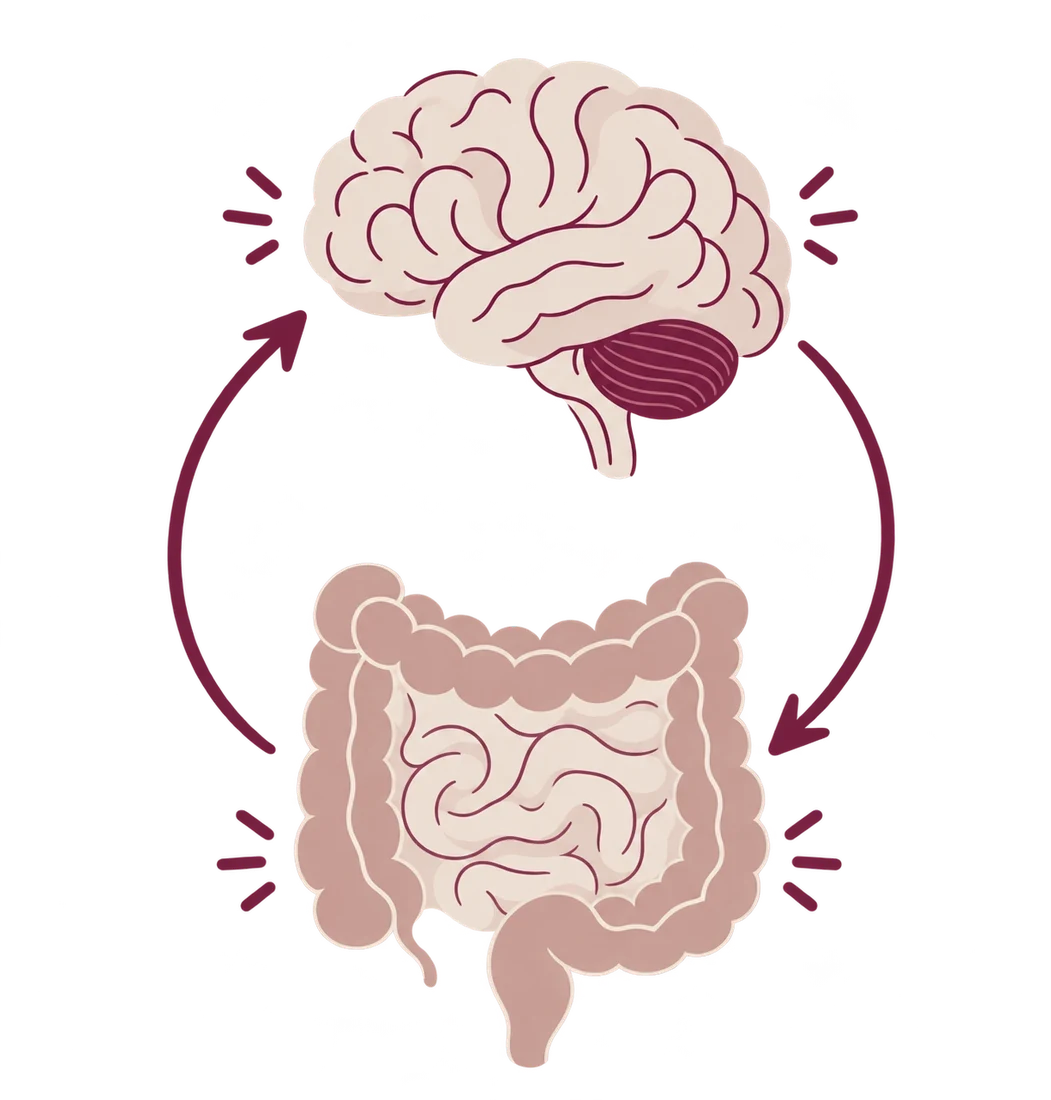
Illustration of the gut–brain axis
  • Irritable bowel syndrome (IBS)
  • Dyspepsia or indigestion
  • Reflux or heartburn
  • Gastritis
  • Helicobacter pylori
  • Small intestinal bacterial overgrowth (SIBO)
  • Intestinal methanogen overgrowth (IMO)
  • Coeliac disease and non-coeliac gluten sensitivity
  • Food intolerances: to lactose, to fructose-sorbitol or to histamine, among others
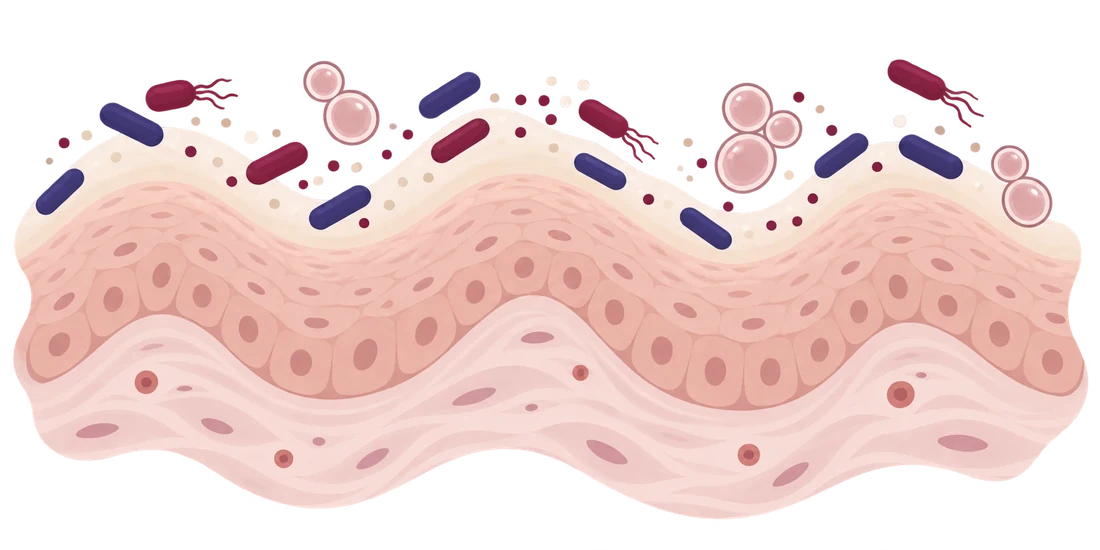
Illustration of the microbiota on the mucosa

Recurrent candidiasis or urinary tract infections

When infections keep coming back, it is important to identify the factors that may be contributing, such as imbalances in the gut and vaginal microbiota, blood sugar fluctuations or nutritional deficiencies.

With a personalised nutrition plan built around a prebiotic, anti-inflammatory and antioxidant diet, plus supplements when needed, we aim to support a healthy microbiota and strengthen your natural defences, alongside your medical treatment.

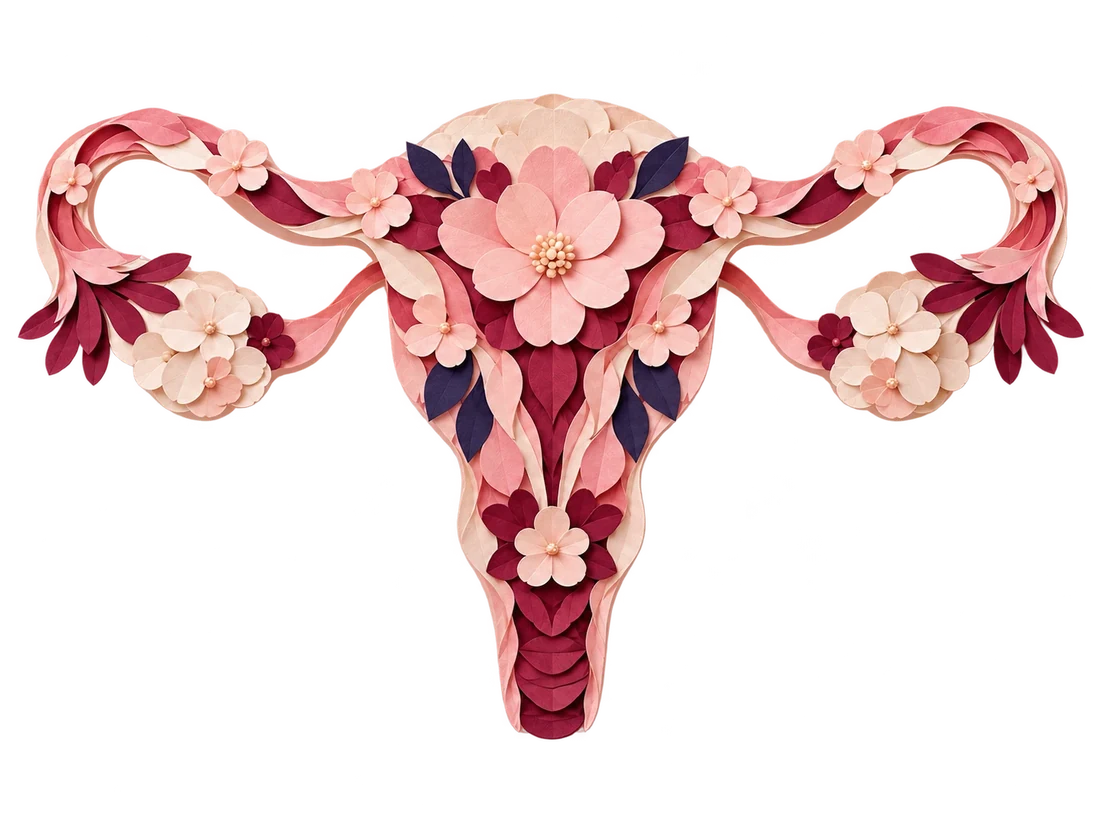
Many women live with hormonal imbalances, and the right nutrition, exercise and daily habits can make a real difference to their course and symptoms. In consultation, we will tailor your diet and supplements and make the lifestyle changes needed to address the imbalances you are experiencing.

Uterus and ovaries made of paper flowers

Polycystic ovary syndrome (PCOS)

Insulin is the hormone that helps sugar in your blood enter your cells to be used as energy. Many women with PCOS have insulin resistance: their cells do not respond well to insulin, so the body has to produce more of it. This excess insulin can upset your hormonal balance and contribute to symptoms such as acne, excess hair growth and irregular cycles.

With a personalised nutrition plan, we can improve your insulin sensitivity and help ease many PCOS symptoms, because we work directly on their root cause.

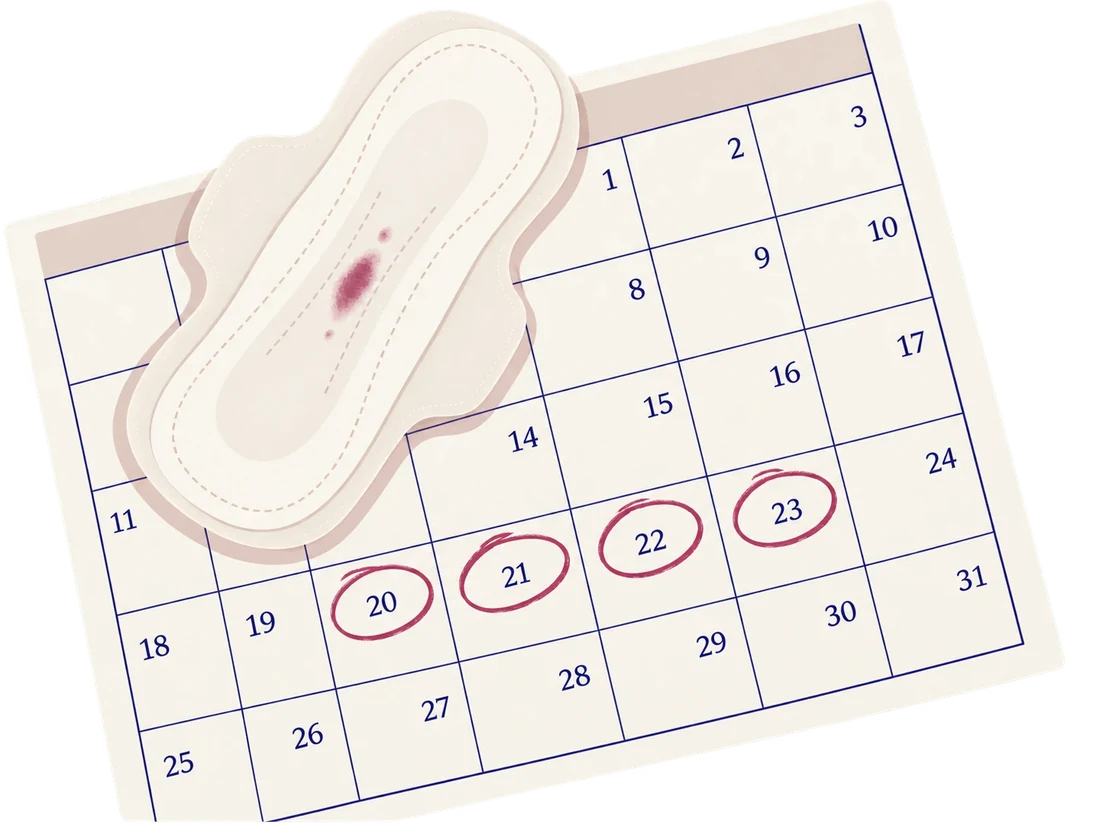
Calendar with a pad and marked days

Painful periods, endometriosis or adenomyosis

Period pain is closely linked to prostaglandins, inflammatory molecules your own body produces. A diet rich in polyphenols, bioactive compounds, antioxidant vitamins and key minerals that help relax the uterine muscle, such as magnesium, can help modulate inflammation, pain and fatigue. Certain supplements also have evidence as a complementary treatment, so I design a personalised supplement plan for each patient.

Illustration of a woman feeling unwell

Premenstrual syndrome (PMS)

PMS is not caused by having “too many hormones”, but by your brain being more sensitive to hormonal changes. Stabilising your blood sugar and meeting your needs for calcium, magnesium, zinc and vitamin B6 can ease irritability, cravings and bloating.

Illustration of a thoughtful mature woman

Perimenopause and menopause

What you eat can make a real difference to how you experience the menopause transition. An anti-inflammatory way of eating (rich in vegetables, seeds and whole grains, lower in refined carbohydrates, with enough protein) helps support your energy, muscle mass and bone density.

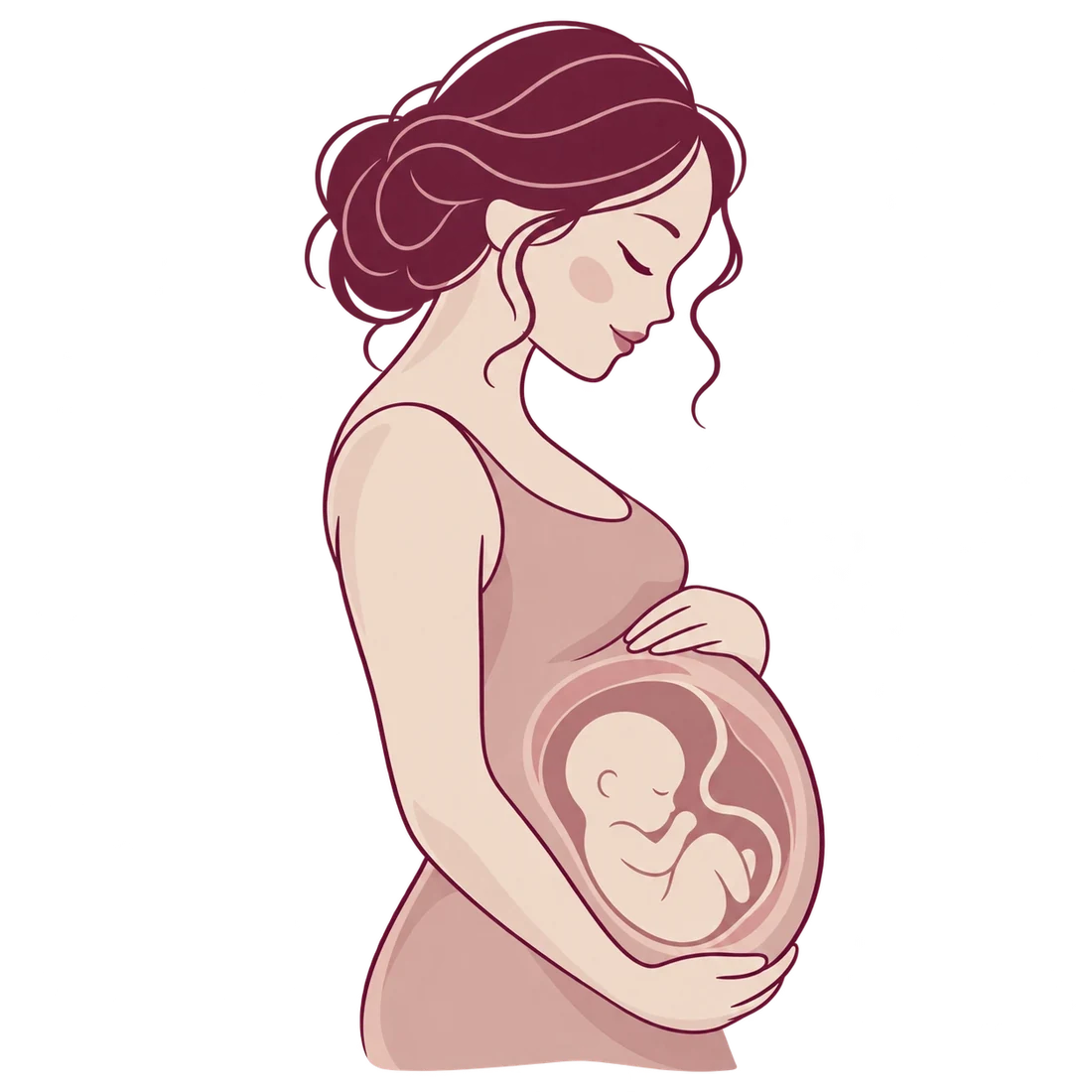
Illustration of a pregnant woman

Fertility, pregnancy and postpartum

Trying to conceive? I will help you prepare your body for this next stage. We will look at your diet, your hormonal health and the nutrients you need, without turning it into a quest for perfection.

During pregnancy and breastfeeding, I will make sure you and your baby both get the nutrients you need, adapting your diet and supplements to each stage.

And when your baby arrives, I will still be here to support you. Postpartum recovery is not about getting your old body back as fast as possible; it is about giving yourself the time and care you deserve.

Illustration of a woman with her hand on her neck

Hypothyroidism and hyperthyroidism

Your thyroid needs iodine, selenium, iron and vitamin D to make and activate its hormones. Coffee, calcium or iron supplements taken close to levothyroxine can also reduce how well it is absorbed, which is often why a dose “doesn’t seem to work”. With hyperthyroidism, we take extra care of your muscle and bone health. Everything is adapted to your individual circumstances.

  • Weight loss
  • Prediabetes and diabetes
  • Dyslipidaemia
  • Hypertension
  • Fatty liver disease (hepatic steatosis)

Metabolic health and weight loss

In consultation, I want you to understand what is happening in your body and what it needs. We will work on your diet and habits to improve your insulin sensitivity and your metabolic flexibility (your body’s ability to make better use of energy), and to protect your muscle mass. Everything is built around you and your everyday life.

We will start with small changes that are easy to apply and that you can keep up. This is not about demanding more of yourself, or squeezing a rigid diet into an already full schedule; it is about finding a way of looking after yourself that makes you feel good and that you can enjoy.

In the end, the best investment in your health is the habits you build every day.

Illustration of a couple eating sandwiches

Relationship with food and eating disorders

I can support you towards calmer, more mindful and flexible eating, the kind you truly enjoy. We will work on your hunger and fullness cues, what drives you to eat when you are not hungry, and how you relate to your body.

Together we will reconnect with your hunger and fullness signals, understand which emotions or situations shape the way you eat, and let go of fears and rigid food rules.

The goal is for you to enjoy food again, rebuild trust in your body and move forward at your own pace, with respect and without judgement.

What your sessions involve

Your nutrition support journey

  1. 1 · First meeting

    Initial assessment

    • 75 min

    A safe, welcoming space to understand what is really going on in your body.

    What we explore together

    • Your symptoms and how they have developed over time
    • Your sleep, digestion and energy levels
    • Your physical activity

    What we look for

    The factors that may be contributing to your symptoms: hormonal imbalances, changes in the gut microbiota, nutritional deficiencies, stress…

    What we review

    • Your medical history, medication, blood tests and other diagnostic results
    • How you eat now, and what gets in the way (lack of time, planning, motivation…)

    At the end

    We agree on your short- and long-term goals. Using everything we have discussed, I prepare your personalised plan, which I present and talk you through in your second session.

  2. 2 · Second meeting

    Personalised plan

    • 60 min
    • Within 5 working days

    I walk you through your plan in detail, built around everything we uncovered in your initial assessment.

    You will understand

    What is happening in your body and what it needs.

    You will receive

    • A tailored meal plan, designed around your nutritional needs and your main goal
    • Diet and lifestyle guidance: anti-inflammatory habits, practical tips and simple tweaks for your everyday life
    • Where appropriate, a clear supplement guide (what to take, why and how)

    During the session

    We go through everything together, answer your questions and fine-tune the plan so it works for you.

  3. 3 · Afterwards

    Follow-up visits

    • 45 min
    • Every 2 to 6 weeks

    Regular check-ins to see how you are responding to your plan and how you are feeling along the way.

    We track your progress

    Symptoms, energy, digestion, body composition…

    We adjust your plan

    Updating your guidelines so your approach stays aligned with your goals and your stage of life.

    We focus on

    • Building lasting habits
    • Answering your questions
    • Working through any obstacles that come up along the way

    After every session

    You receive your updated recommendations and any supporting materials by email.

Frequently asked questions

Get answers to all your questions about my consultations

All consultations take place online via Google Meet. You will receive the joining details by email before your appointment.

When you book, your time slot is reserved exclusively for you and I prepare for it in advance, so the fee is non-refundable. If something unexpected comes up, you can reschedule with at least 24 hours’ notice. With less notice, it is not possible to cancel or reschedule (except in cases of force majeure). If you do not attend and do not let me know in time, the consultation will be treated as completed.

Not necessarily. You can space out your follow-up sessions according to your progress and needs. Follow-ups can be booked for up to 6 months after your last visit; after that, you will need to book a new initial assessment (subject to availability).

Yes. When needed, I collaborate with other professionals as part of an integrative approach (psychologists, endocrinologists, gynaecologists, physiotherapists and more). If you already have a healthcare team you trust, get in touch and we can work together on your care.

Still have questions?

Get in touch with me directly
Bowl of blueberries on the desk next to a laptop and a book about the microbiome